Screen Glow Patterns and Their Link to Bet Timing Shifts in Extended Digital Ring Game Sessions
Erik Krüger · Nov 11, 2026
Screen Glow Patterns and Their Link to Bet Timing Shifts in Extended Digital Ring Game Sessions
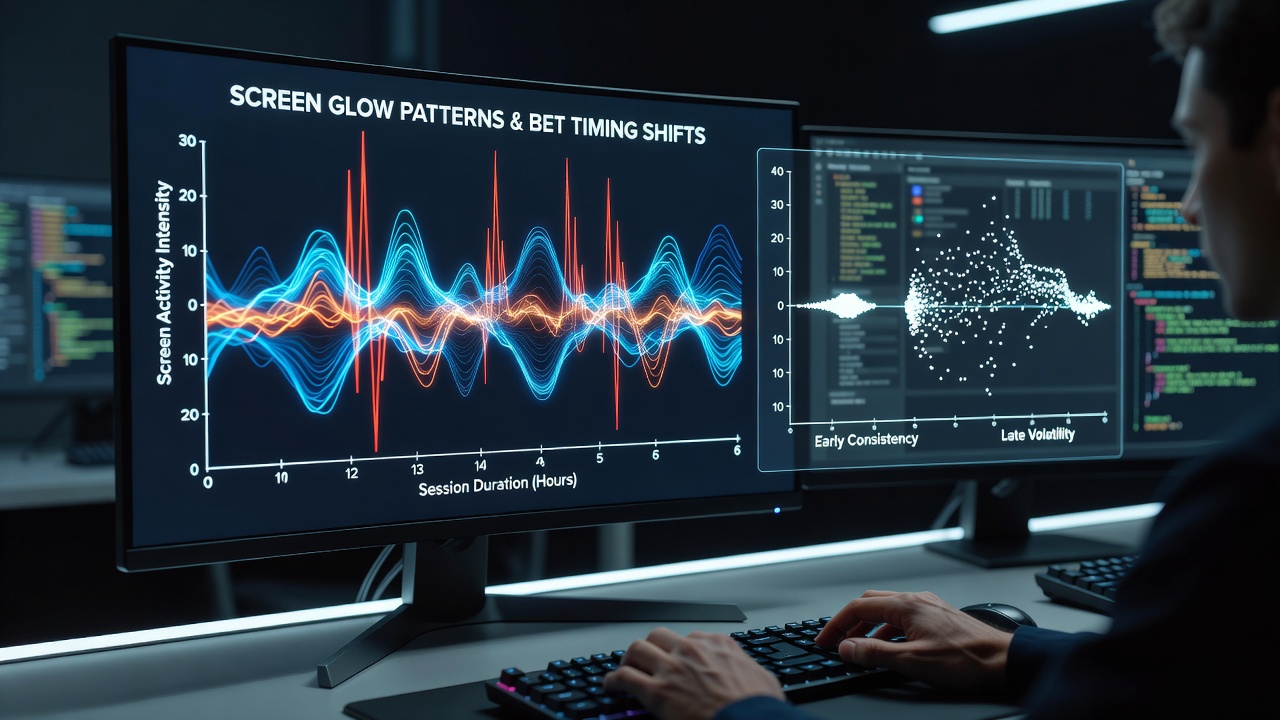
Screen glow patterns emerge when display brightness fluctuates in response to game interfaces, card animations, and background elements during multi-hour digital ring game play, and researchers track these shifts alongside bet timing data to identify changes in player decision speed. Data from session logs shows that consistent glow increases often coincide with slower bet placements after the fourth hour, while sudden drops in glow intensity align with quicker, more impulsive actions in later stages.
Measuring Glow Variations in Virtual Ring Games
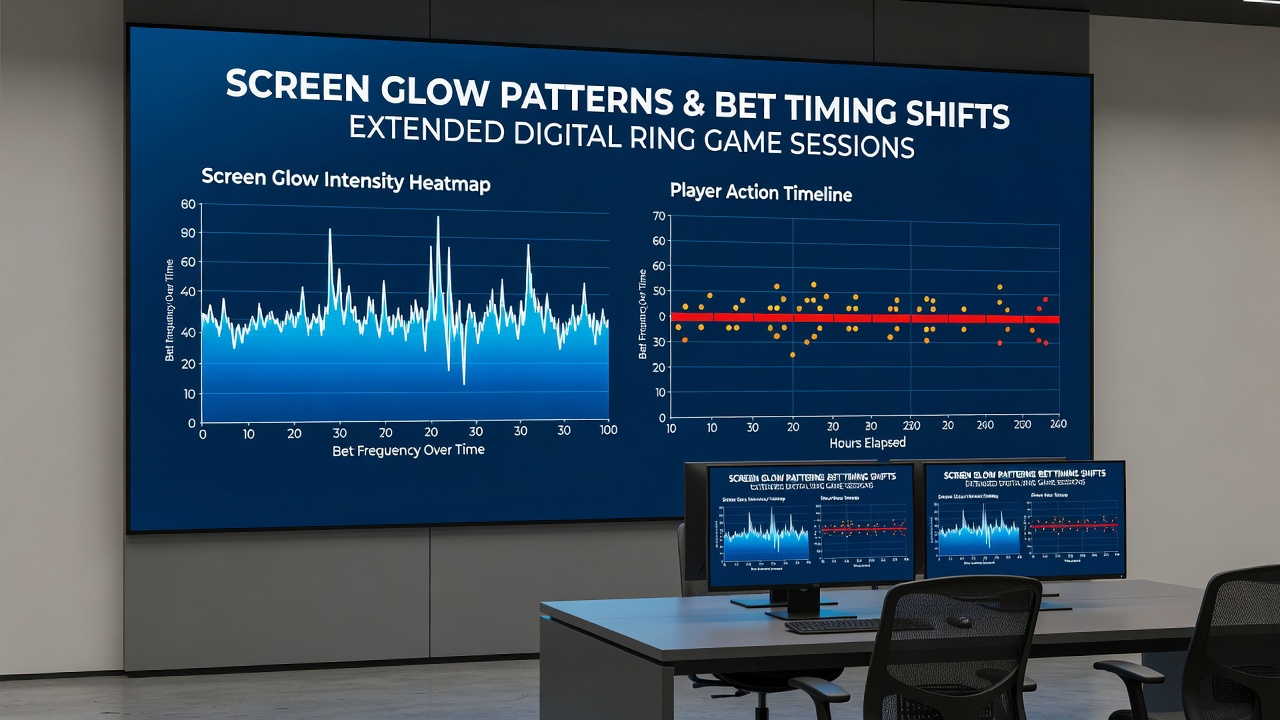
Software tools record screen luminosity at regular intervals across poker platforms, capturing how bright table layouts and HUD overlays affect overall glow levels, and studies conducted through university ergonomics labs indicate that these measurements correlate with timestamped bet actions in extended cash game sequences. Observers note that players who maintain steady screen brightness settings experience fewer abrupt timing changes compared to those whose displays adjust automatically based on ambient room light.
Timing Shifts Detected Through Log Analysis
Bet timing data collected from thousands of hands reveals that average decision intervals lengthen when screen glow patterns show sustained high intensity, whereas reduced glow periods frequently precede accelerated betting that skips standard review steps, according to aggregated reports from gaming technology institutes in Canada. Those who analyze these patterns find connections between glow stability and maintained focus windows, with fluctuations often appearing before noticeable slowdowns in action sequences.
Equipment setups influence how glow registers on different monitors, since LCD and OLED panels produce distinct luminosity curves under the same software conditions, and evidence from extended session monitoring demonstrates that players using calibrated displays record more predictable bet timing throughout seven-hour stretches. What's interesting is how software updates in November 2026 refined glow detection algorithms on several major platforms, allowing finer tracking of these interactions during peak ring game traffic.
Patterns Observed Across Player Cohorts
Analysis of ring game participants grouped by session length indicates that those exceeding six hours display more pronounced links between glow spikes and delayed bets on marginal holdings, while shorter-session players show minimal correlation, based on findings from European gaming research centers. Data indicates that environmental factors such as room lighting and monitor refresh rates further modulate these relationships, creating individualized glow-timing profiles that software can now flag in real time.
One study revealed that participants who adjusted screen settings mid-session maintained steadier bet timing despite glow pattern changes, whereas those who left defaults active encountered sharper shifts after the five-hour mark. Researchers discovered that integrating glow sensors with existing HUD systems provides additional context for timing anomalies without requiring separate hardware in most cases.
Technical Approaches to Pattern Tracking
Developers integrate luminosity sampling directly into poker client APIs, enabling continuous capture of glow metrics alongside action timestamps, and reports from Australian digital health authorities highlight how such combined datasets support identification of fatigue markers in prolonged virtual play. The reality is that calibration protocols vary by platform, yet consistent application across sessions improves the reliability of detected correlations between glow and bet speed.
Take one research team that cross-referenced glow logs with eye-tracking data and found that certain intensity patterns preceded measurable increases in decision hesitation, while other patterns aligned with rushed selections. Those who've studied this know that hardware differences across laptops and desktops introduce variables that require normalization before broad conclusions emerge.
Implications for Session Management Tools
Platform operators incorporate glow pattern alerts into optional monitoring features, allowing players to receive notifications when timing shifts accompany specific luminosity changes, and figures from North American gaming associations reveal growing adoption of these tools in cash game environments. Integration with posture and blink rate monitors creates layered detection systems that operate without interrupting gameplay flow.
Evidence suggests that early identification of these linked patterns supports adjustments such as brief breaks or setting recalibrations, which in turn stabilize bet timing in subsequent hours. Observers note continued refinement of detection thresholds through 2026 data collections, expanding the precision available to those reviewing extended ring game logs.
Conclusion
Screen glow patterns and bet timing shifts form measurable relationships within extended digital ring game sessions, supported by log analysis and sensor data from multiple research sources. Continued development of integrated tracking methods provides structured ways to monitor these elements across diverse player setups and session durations.